
What Happens When You Stop Taking Semaglutide
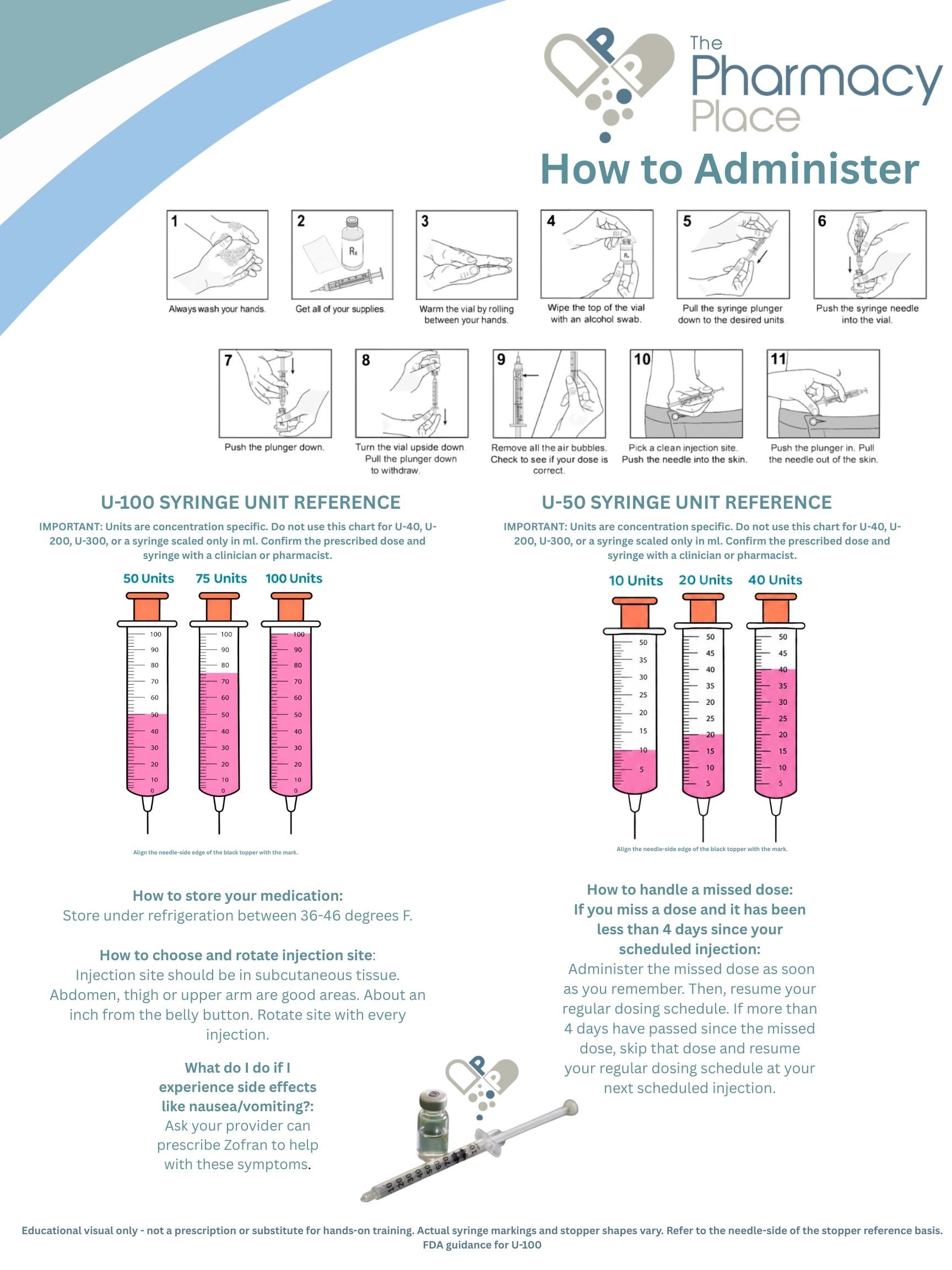
Semaglutide is a glucagon-like peptide-1 (GLP-1) receptor agonist used to manage type 2 diabetes and, in some formulations, chronic weight management. As more patients begin and eventually discontinue this medication – whether due to cost, side effects, achieving a treatment goal, or a physician’s recommendation – questions naturally arise about what to expect after stopping the medication.
This article provides an overview of the physiological and practical changes that may occur after discontinuing semaglutide.
How Semaglutide Works
To understand what happens after stopping the medication, it helps to understand how it works while being taken. Semaglutide mimics the GLP-1 hormone, which the body naturally produces in the gut in response to food intake. By activating GLP-1 receptors, the medication helps the body in several ways: it stimulates insulin release when blood sugar is elevated, suppresses the release of glucagon (a hormone that raises blood sugar), slows the rate at which the stomach empties, and acts on appetite-regulating centers in the brain to promote feelings of fullness.
Because the medication works through ongoing receptor activation, its effects are generally dependent on continued use. Semaglutide does not “cure” diabetes or obesity; rather, it manages the underlying physiology only while it remains active in the body.
The Body’s Return to Baseline
Semaglutide has a relatively long half-life of approximately one week, meaning it takes several weeks for the drug to be fully cleared from the body after the final dose. During this clearance period, the appetite-suppressing and blood-sugar-regulating effects gradually diminish rather than stopping abruptly.
Once the medication is fully out of the system, several changes commonly emerge:
Return of appetite and hunger cues. One of the most frequently reported changes after discontinuation is a return of appetite to pre-treatment levels. Because semaglutide works on the brain’s hunger and satiety signals, its absence often means hunger cues become stronger, and feelings of fullness after meals return to their pre-treatment levels. This is a physiological response, not a sign of personal failure or lack of willpower; it reflects how the body’s appetite-regulating systems function without the medication’s influence
Changes in blood glucose levels. For individuals using semaglutide to manage type 2 diabetes, stopping the medication can lead to a rise in blood glucose levels, since the drug’s insulin-stimulating and glucagon-suppressing effects are no longer present. This is an important consideration for people with diabetes, as blood sugar management often requires an alternative plan, whether that involves a different medication, dietary adjustments, or closer monitoring, developed in coordination with a healthcare provider.
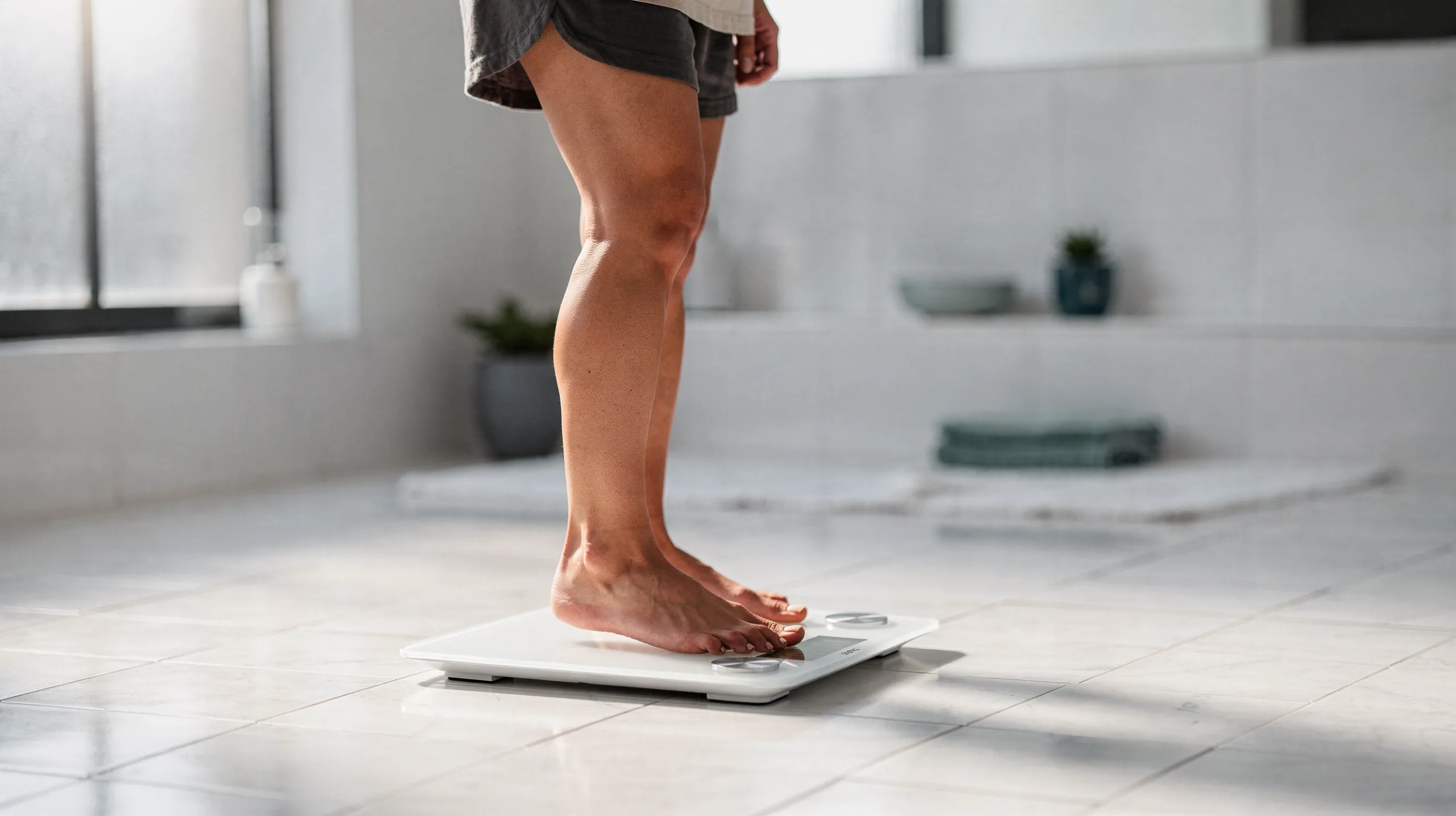
Potential weight regain. Clinical research has observed that many individuals who discontinue semaglutide after using it for weight management experience some degree of weight regain over the following months. This occurs because the appetite-suppressing effects fade while the underlying factors that contributed to weight gain in the first place, such as genetics, environment, and metabolic tendencies, are still present. The degree of weight regain varies significantly from person to person and may be influenced by how long the medication was used, what lifestyle habits were developed during treatment, and individual physiology.
Gastrointestinal symptoms may resolve. Semaglutide is well known for gastrointestinal side effects, such as nausea, bloating, constipation, or diarrhea, particularly during dose increases. Many people find that these symptoms improve or resolve entirely after stopping the medication, since the drug’s effect of slowing stomach emptying is no longer present.
Timeline of Changes
While individual experiences vary, general patterns reported in clinical literature and patient observation include the following:
Within 1–2 weeks: Semaglutide levels in the bloodstream begin to decline, though effects may still be partially present.
Within 4–6 weeks: The medication is largely cleared from the body, and appetite changes often become noticeable during this window.
Within 2–3 months: Hunger and fullness cues frequently return to baseline, and for those who were managing diabetes, blood sugar levels may begin to shift without continued treatment.
Beyond 3–6 months: For those who used semaglutide for weight management, this is often when more substantial weight regain may become apparent if no alternative strategy is in place, according to clinical trial data on post-treatment outcomes.
These timeframes are general estimates, and actual experiences depend on factors like dosage, duration of use, individual metabolism, and underlying health conditions.
Why People Discontinue Semaglutide
There are many legitimate reasons someone might stop taking semaglutide, including:
Achieving a treatment goal and transitioning to a maintenance plan
Experiencing side effects that outweigh the benefits
Cost or insurance coverage changes
Supply availability
A healthcare provider’s clinical judgment that the medication is no longer appropriate
Personal preference or lifestyle changes
Whatever the reason, the decision to stop or continue any prescription medication should involve a conversation with a qualified healthcare provider, who can assess individual health status, review lab values, and discuss alternative strategies if needed.
Common Strategies for Managing Discontinuation
Healthcare providers may discuss several approaches with patients who are stopping semaglutide, depending on their individual circumstances. These can include:
Gradual dose tapering rather than abrupt discontinuation
Continued attention to dietary patterns and physical activity that were established during treatment
Ongoing monitoring of blood glucose or other relevant lab markers
Consideration of alternative medications or therapies if clinical management is still needed.
Any such strategy should be individualized and determined in partnership with a prescribing provider, since the right approach depends heavily on the reason for treatment, overall health history, and personal goals.
The Importance of Medical Guidance
Because semaglutide affects multiple body systems, including blood sugar regulation and digestion, stopping it is not simply a matter of discontinuing a pill or injection without consideration. People with type 2 diabetes, in particular, should not stop GLP-1 therapy without first discussing a plan with their healthcare provider, as unmanaged blood sugar can carry health risks. Similarly, those using the medication for weight management may benefit from a conversation about sustainable habits and realistic expectations for what happens after treatment ends.
Summary
Stopping semaglutide leads to a gradual return of appetite and a shift in blood sugar levels. Common changes include increased hunger, possible blood sugar fluctuations, potential weight regain over time, and resolution of gastrointestinal side effects. These outcomes vary based on individual factors, including how long the medication was used and what other health and lifestyle changes occurred during treatment. As with any prescription medication decision, individuals should work closely with their healthcare provider to determine the safest and most appropriate path forward, whether that involves an alternative treatment plan, lifestyle support, or ongoing monitoring.
This article is for general educational purposes only and is not a substitute for professional medical advice, diagnosis, or treatment. Always consult a qualified healthcare provider regarding any questions about your medications or health condition.
(function(){function run(){var target=”what happens when you stop taking semaglutide”;var seen=false;var nodes=document.querySelectorAll(‘h1’);for(var i=0;i<nodes.length;i++){var t=(nodes[i].textContent||'').replace(/\s+/g,' ').trim().toLowerCase();if(t===target){if(seen){nodes[i].style.display='none';}else{seen=true;}}}}if(document.readyState==='loading'){document.addEventListener('DOMContentLoaded',run);}else{run();}})();

About the Author
The Pharmacy Place
July 2, 2026